
A Launch Window Is a Timing Problem
A launch window is the period when a mission can meet its safety and trajectory constraints. It is more precise than a date on a poster.
Read articleAstronomy, missions, and space technology.
A launch window is the period when a mission can meet its safety and trajectory constraints. It is more precise than a date on a poster.
Read article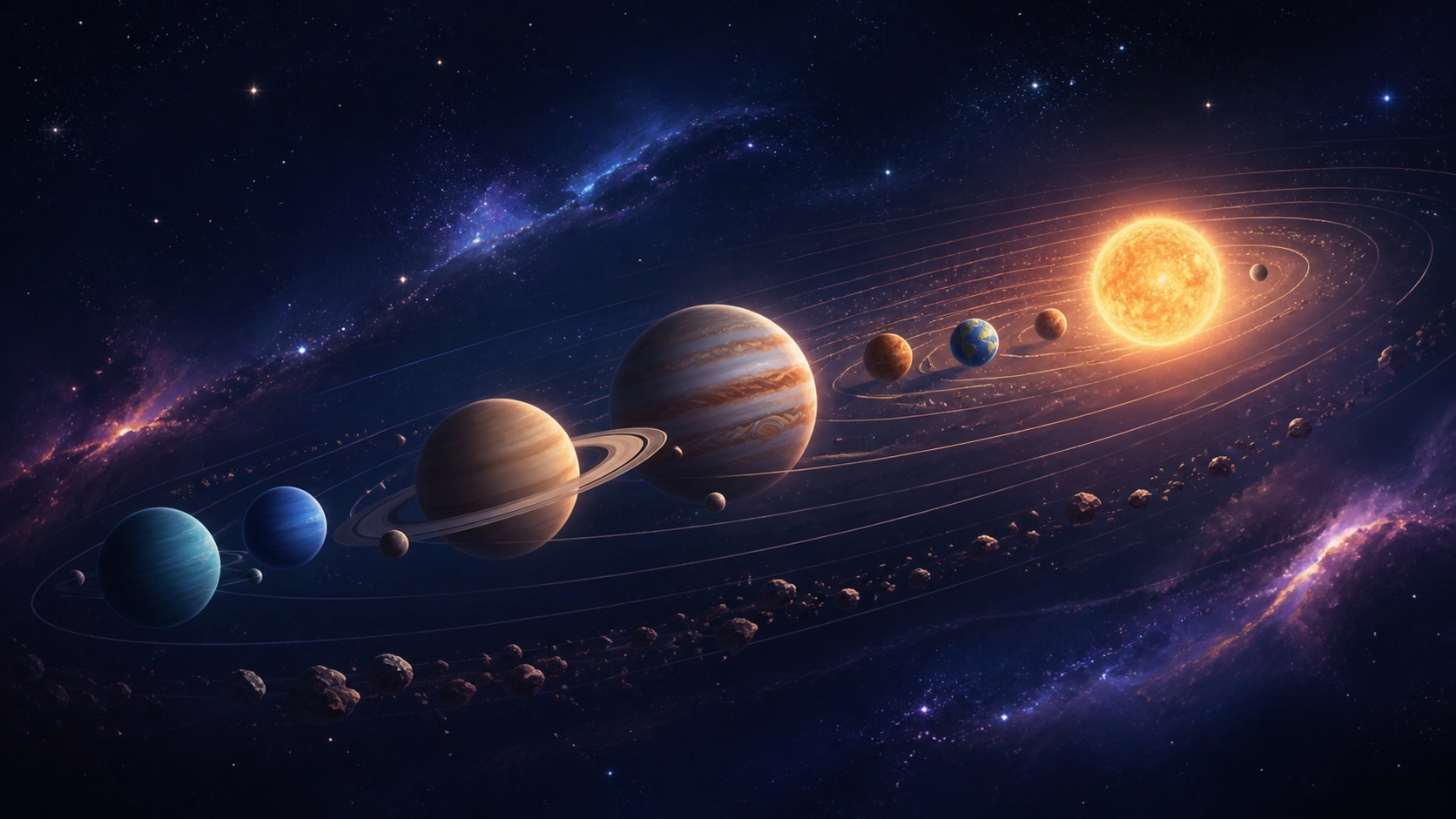
NASA offers a free educational poster collection about planets, moons, asteroids, and comets.
Read articleSolar activity can influence radio, navigation, satellites, and power systems; understanding the chain is more useful than fearing every flare.
Read articleA Moon mission is a chain of tests rather than one spectacular launch; each link has to work before a landing becomes credible.
Read article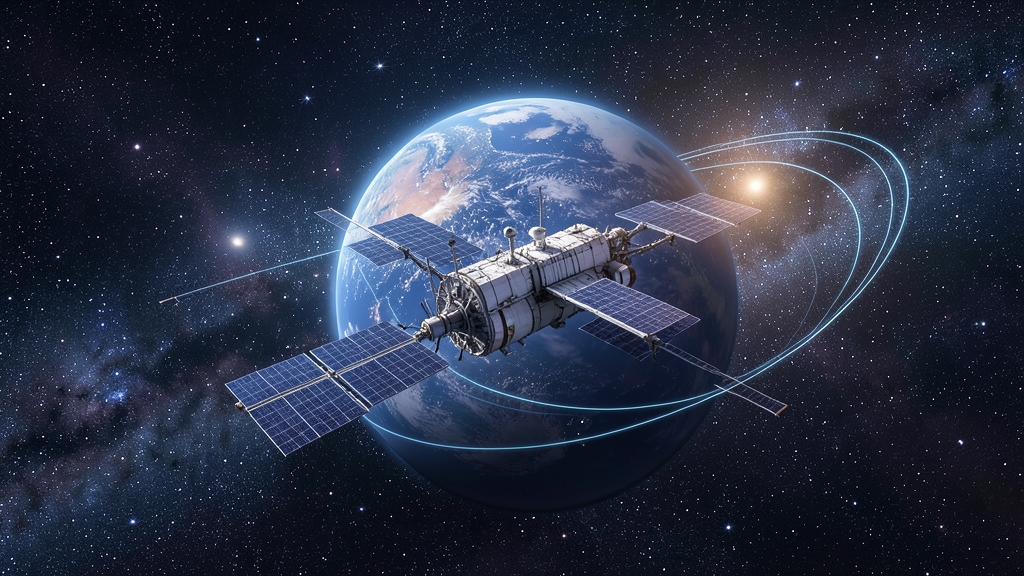
Delve into the world of space travel and explore the principles of orbital mechanics that govern the motion of celestial bodies and spacecraft.
Read article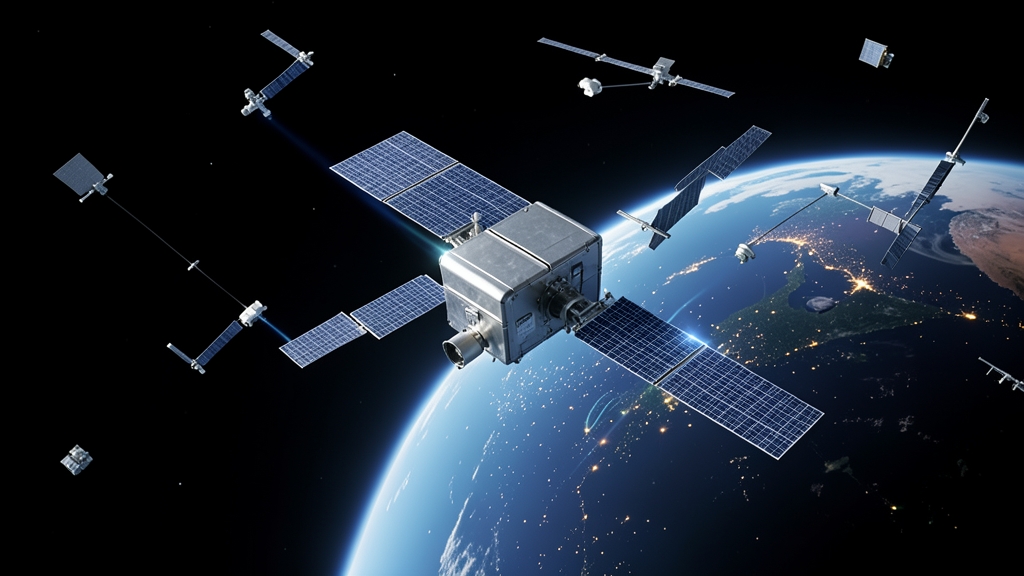
Satellite communications play a crucial role in global connectivity, enabling communication in remote areas and during emergencies.
Read article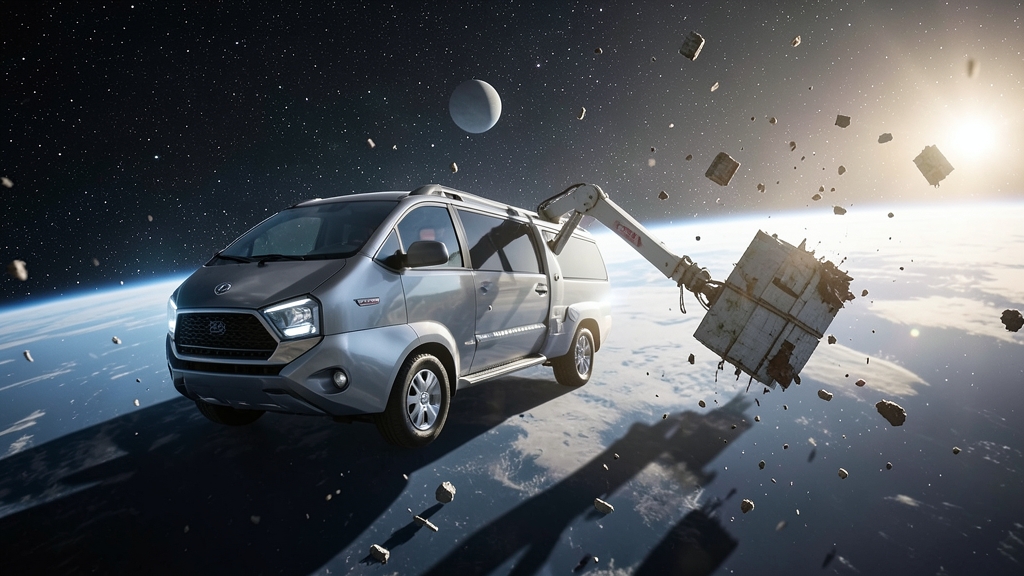
The growing problem of space debris in Earth's orbit and efforts to remove it
Read article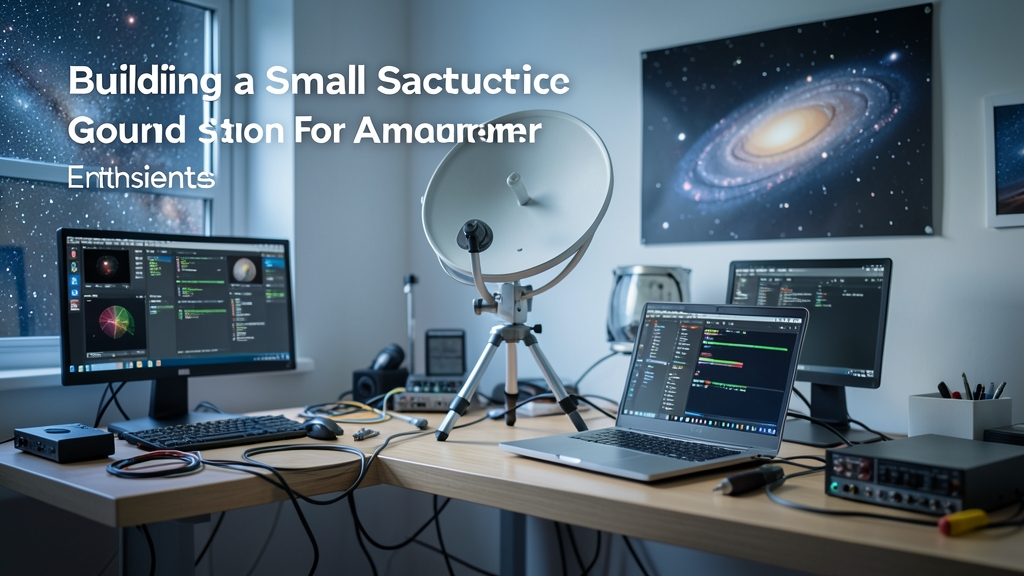
Learn how to set up a compact, cost‑effective ground station to receive data from low‑Earth orbit satellites. Step‑by‑step guidance covers equipment, software, and legal considerations.
Read article
Scientists search for life using geology, chemistry, robotic exploration and atmospheric spectroscopy while testing nonbiological explanations.
Read article
Human Mars missions require solutions for radiation, isolation, heavy landings, life support, dust and long periods without rescue.
Read article
The Moon preserves ancient geological records, contains water in several environments and offers a platform for unique observations.
Read article
Evidence suggests Europa contains a saltwater ocean beneath its ice, making it an important target for habitability research.
Read article
Spaceflight changes muscles, bones, circulation, balance and sleep while exposing crews to radiation and operational hazards.
Read article
The visible power associated with black holes comes from nearby matter, whose radiation, winds and jets can influence entire galaxies.
Read article
Galaxy rotation, gravitational lensing and cluster collisions provide independent evidence for unseen matter with gravitational influence.
Read article
Cold molecular clouds can collapse into protostars surrounded by disks, eventually producing stable stars and possible planetary systems.
Read article
Space telescopes observe wavelengths blocked by Earth’s atmosphere and use ancient light to reconstruct how the universe changed.
Read article
Solar flares, coronal mass ejections and geomagnetic storms affect different technologies and require different forms of monitoring.
Read article
Planetary defense combines early detection, precise orbit calculations and tested deflection methods to reduce potential asteroid risks.
Read article
Life aboard the ISS combines scientific research, daily exercise and constant maintenance inside a laboratory in microgravity.
Read article
Supernovae distribute chemical elements, influence galaxies and leave remnants that reveal how different stellar explosions occur.
Read article
Orbital debris threatens active spacecraft and essential satellite services. Prevention, tracking and responsible disposal can reduce the risk.
Read article
Beyond Neptune, icy worlds preserve evidence of the solar system’s formation while raising new questions about its distant frontier.
Read articleNASA’s Roman Space Telescope will combine Hubble-level image detail with a field of view at least 100 times larger, enabling major surveys of galaxies, dark energy and exoplanets.
Read article