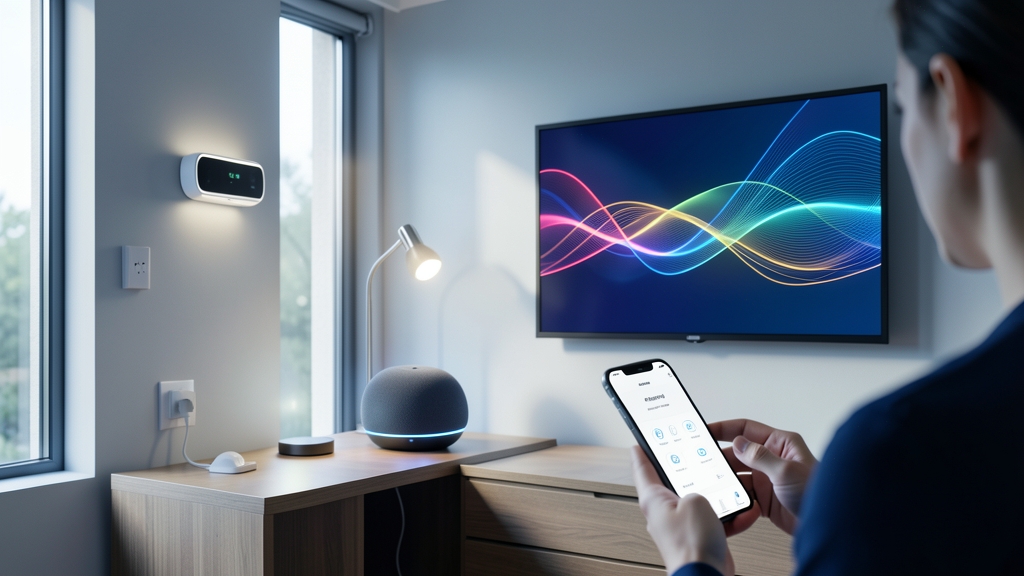
With the growing number of smart devices in homes, energy consumption can become unpredictable and expensive. Artificial intelligence offers a way to bring order to this complexity. By learning from usage patterns and external factors, AI systems can recommend or automatically adjust settings to cut waste and lower bills. This article walks through the practical steps for homeowners who want to harness AI for smarter energy use.
1. Gather the Right Data
Begin by installing smart meters and connecting existing sensors (temperature, motion, light) to a central hub. Data should include real‑time power usage, device status, and environmental conditions. Most commercial smart home platforms can export this data in CSV or JSON format. If you have a custom setup, use an MQTT broker to collect readings from each device.
2. Choose an AI Platform
There are two main paths: 1) a cloud‑based service that offers pre‑built models for home energy optimization, or 2) a local solution that runs on a Raspberry Pi or home server. Cloud services often provide dashboards and alerts out of the box, while local solutions give more privacy and lower latency. Select a platform that supports the data format you exported in step 1.
3. Train a Predictive Model
Most platforms use regression or time‑series algorithms to forecast future consumption. Feed the platform historical data, then let it learn typical daily and weekly patterns. Hypothetical example: the model predicts that between 6 pm and 8 pm the house will use 2 kWh, but the actual usage is 3 kWh because of a forgotten oven. The model flags this discrepancy for review.
4. Automate Controls
Once the model is accurate, set rules that trigger actions. For instance, if the predicted usage exceeds a threshold, the system can dim lights or postpone non‑essential appliance cycles. Many platforms allow you to write simple scripts or use visual flows to map conditions to device commands. Test each rule in a controlled setting before enabling full automation.
5. Monitor and Iterate
Energy optimization is an ongoing process. Review dashboards weekly to see how predictions compare to actual usage. Adjust thresholds, add new sensors, or retrain the model with updated data. Over time, the AI will recognize new habits (e.g., a new appliance) and adapt its recommendations.
Practical recommendation
By integrating AI into your smart home, you can transform raw data into actionable insights that cut energy waste. Start with a clear data collection plan, choose a platform that matches your privacy and budget needs, and let the system learn your routines. Even small adjustments—like dimming lights during peak hours—can add up to noticeable savings over a year. Begin today, and let AI help you make your home more efficient and sustainable.
Source: energy.gov